

Please read the disclaimer.
Group B Strep (or GBS) is a bacteria that lives in our large intestines. We all have it. It is part of our normal gut flora. Sometimes, this bacteria travels from the anus to the vagina. When it does, there are no symptoms. No odor. It may come and go, and come back again. In fact, the only way to know when the vagina has been colonized with GBS is to test for it. It is not sexually transmitted. It is not a matter of cleanliness. Most of the time, it is not an issue. The only time it is an issue is when a person is pregnant.
Sometimes, when a baby it born to a parent with GBS, the bacteria will colonize in their lungs. Most of the time, this is not a problem. However, there are times when the bacteria colony turns into an infection, and that is very concerning. A baby with a GBS infection is very, very sick and has trouble breathing. They have to stay in the NICU and sometimes have lasting complications from the infection.
In the US, we screen for GBS around 36 weeks of pregnancy. The result is considered a reliable gauge of a person’s GBS status for four weeks, or until 40 weeks of pregnancy when most people deliver (in the hospital). The test is a swab from just inside the vagina, across the perineum and along the anus. The swab is then placed in a medium to see if bacteria will grow in 3 days. This is called a culture. I can collect it for you, or give you instructions on how to collect the culture on yourself. When the result is negative, no further action is required. When the result is positive, the ACOG (American College of Obstetricians and Gynecologists) recommends IV antibiotics every two to four hours during labor, depending on factors such as rupture of membranes. The antibiotics cross the placenta and significantly reduce the rate of infection in babies.
Stats
- 50% of women who test positive for GBS will pass it on to their babies
- 1-2 % of these babies will develop GBS infection
- Implementation of using prophylactic antibiotic to has reduced GBS infections in babies by 80%
Options
 Parents want what is best for their babies. For some, the best for them is the CDC recommendation of routine antibiotics during labor. I am able to give penicillin G or ampicillan through an IV in a home birth setting. I put a port in the hand or arm, and it usually takes about 20 minutes for the antibiotics to be administered. I then take the IV out of the port so you may be mobile during labor. I reconnect the IV for another round of antibiotics in the same port (no need for another needle stick) if the baby has not yet been born within four hours. When a parent is allergic to penicillin, we will need to get an alternative medication prescription from their primary care provider.
Antibiotics are effective in ridding the body of bacteria, even beneficial bacteria. When antibiotics are used to treat Group B Strep, I will recommend dietary fiber to colonize the gut with beneficial bacteria. This should prevent digestive upsets from their use. I do not recommend giving probiotics to a newborn since the baby is born without any bacteria in the gut to begin with.
Some families don’t want antibiotics. They are usually concerned about gut flora for mother and baby, and how antibiotics can disrupt this balance. The baby can develop a yeast infection (thrush in the mouth, diaper yeast in the diaper area, and it can happen without the use of antibiotics) and transfer it to the nipples during breast feedings. Yeast infections are painful and can be hard to get rid of. The risk assessment made by these parents find it difficult to justify the slightly higher likelihood of an adverse reaction from antibiotics to the small likelihood of a GBS infection. For these families, we do a “wait and see” approach. I educate them about the signs of infection in a newborn and instruct them to go to the ER at the first signs of one.
Use your B.R.A.I.N.
Informed consent can look like this:
Benefits of antibiotics during labor to prevent GBS in the baby: drastically reduces the rate of GBS infection in the baby. GBS infection requires a 2 -3 week NICU admission and is often seen with sepsis, pneumonia, and meningitis. There may be serious life long complications from surviving a GBS infection.
Risks of I.V. antibiotic during labor: Issues with the IV placement such as pain and bruising. Issues with the medication such as allergic reaction, digestive issues, yeast infection. These issues do not affect the baby unless they contract yeast through breastfeeding. Yeast infection can occur without antibiotic use.
Alternatives to I.V. antibiotic use: No alternatives have been found effective in lowering the risk of infection in newborns. Antiseptic rinses and natural antimicrobial suppositories made from garlic and others common substances have been studied and found to be ineffective. Although, not a means of prevention, the only alternative is to decline antibiotics and “wait and see” if the baby develops any signs of infection. When they do, parents take their baby to the ER. Complications from infection can occur before going to the ER because tissue damage can happen before signs are obvious. Treatment for the baby will include IV antibiotics.
What is your Intuition telling you? This is different for everyone based on personal experience, family history, cultural traditions, etc.
Not now, waiting to decide: The conversations are had prenatally, giving you time to make your decision.
An Ounce of Prevention
Many OBs perform a urine culture with the other tests at the first appointment. (Louisiana law requires an OB assessment prior to beginning midwifery care). This will indicate whether or not there is a urinary tract infection (UTI) as it can cause preterm labor. It will also identify the type of bacteria growing. Sometimes, that bacteria is GBS. When GBS travels to the urinary tract, it is almost always present at the 36 week screen. When GBS is present in the urine culture, I have yet to see it clear up with treatments, but am always willing to try.
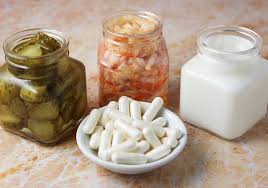 Starting in the third trimester, I recommend adding fermented foods to the diet, if not eating them already. Sauerkraut and kimchi are popular choices. Make sure they are purchased from a refrigerated section and not canned or jarred in the middle isles as this storing method uses heat processing that kills the beneficial bacteria we are seeking. Pickles are not fermented. Pickling is a different preserving method than fermenting, and they offer no probiotics.
When sour foods are not to your liking, consider a probiotic supplement. Specifically seek the Lactobacillus rhamnosus GR-1 and Lactobacillus reuteri RC-14 strains as these two combined are the ones that are showing promise in preliminary studies for reducing GBS positive tests during pregnancy.
For your probiotics to thrive, you will need to feed them prebiotic fibers. These are non-digestible fibers that pass through your upper digestive tract and ferment in the gut, providing a “feast: for you beneficial bacteria.
Here are some of the best food sources categorized by the type of fiber they provide:
1. High-Inulin Foods
Inulin is one of the most well-researched prebiotics for boosting Lactobacillus levels.
- Chicory Root is the richest source, often used as a caffeine free coffee substitute. Pregnancy safe when used in moderation.
- Jerusalem Artichoke: Also called “sunchokes,” these look like ginger roots but taste like nutty potatoes. Look for them at natural food grocers and farmers markets. Their season is in the fall, early winter.
- Dandelion Greens: Great mixed in salads, though they have a bitter kick. Avoid dandelion tea as its strength detoxifies the liver, a pregnancy contraindication.
- Garlic, Onions, and Leeks: These contain smaller amounts of inulin but are easy to incorporate into daily cooking.
2. Resistant Starches
These act like fiber because they “resist” digestion until they reach the large intestine.
- Cooked and Cooled Potatoes: When you boil potatoes and let them cool, the starch converts into a prebiotic form. Think potato salad.
- Green (Unripe) Bananas: These are high in resistant starch; as they ripen, that starch turns into simple sugar. Common in Latin American cooking, recipes are plentiful online.
- Oats and Barley: These contain beta-glucans, which are excellent for both heart health and gut microbes.
3. Legumes and Beans
These are “slow-carb” powerhouses that feed a wide variety of healthy bacteria.
- Lentils: Highly effective at promoting a healthy gut environment.
- Chickpeas (Garbanzo Beans): The main ingredient in hummus. Great for general Lactobacillus support.
- Green Peas: Contain a mix of soluble and insoluble fibers that act as fuel.
- Peanuts:
4. Specialized Fruits and Veggies
- Apples: Contain pectin, a prebiotic fiber that has been shown to increase Lactobacillus populations.
- Asparagus: A very convenient source of prebiotic fiber when lightly steamed.
- Flaxseeds: These provide “mucilage” gums and cellulose that feed your flora while aiding regularity.
- Psyllium: This is the active ingredient in Metamucil. It can be purchased separately and made with a sugar substitute and fresh lemon juice for taste. This option works well for those watching their sugar intake or have food aversions to those mentioned above.
Fiber needs water in order to move through the bowel. When increasing the amount of fiber in you diet, be mindful about increasing your amount of water to avoid constipation related issues.
Other practices that may help prevent a positive GBS result include:
- wipe from front to back after toileting
- change underwear daily
- wash underwear in hot water if available, or use bleach
- washing thoroughly between anal play and vaginal play
There is no evidence, even antidotal, that wearing thong underwear has any affect on GBS transmission. Even with the best practices of prevention, the test may still be positive. When a pregnancy goes beyond 40 weeks, we can test again to see if the status has changed. If positive at that time, we will have already discussed a plan of action that the parents are comfortable with. Your body is not broken. There is nothing wrong. We just have some more choices to make together on your plan of care.
No Thank You!
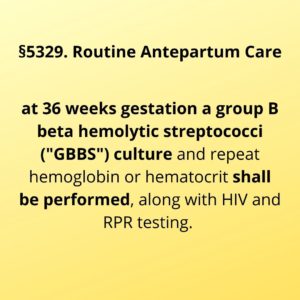
Some parents ask about declining the GBS screen and want to use the “wait and see” approach to see if the baby develops any symptoms. While I support parents’ choices, I am bound by the Louisiana Midwifery Rules and Regulations requiring me to perform the screen. You may decline, but it is illegal for me to continue care for anyone who does. Another thing to consider is in the event of the baby needing to transfer, the hospital will treat the baby as though the mother was positive for GBS and there were no antibiotics used during labor. This could mean an unnecessary NICU stay for the baby with a full septic workup.
For further reading visit:
The Center for Disease Control – Group B Strep
American College of Nurse Midwives – Group B Strep in Pregnancy
American College of Obstetricians and Gynecologists – Group B Strep and Pregnancy
References
Group B Strep Screening – Who is More Accurate: the Patient or the Physician?
ACOG Guidelines for GBS Prevention, replaces 2010 CDC Guidelines
Mozzi, Raya, and Vignolo (Eds), 2010, Biotechnology of Lactic Acid Bacteria: Novel Applications, Iowa, Wiley-Blackwell, pg. 142, 143
Nutritional Medicine by Alan Gabby, MD
Probiotics for GBS clinical trial links